Heart disease damages kidneys, liver and brain, North Charleston doctors say

NORTH CHARLESTON, S.C. (WCSC) — Heart disease doesn’t stop at the heart; in fact, Lowcountry medical professionals said it can damage multiple organs throughout the body.
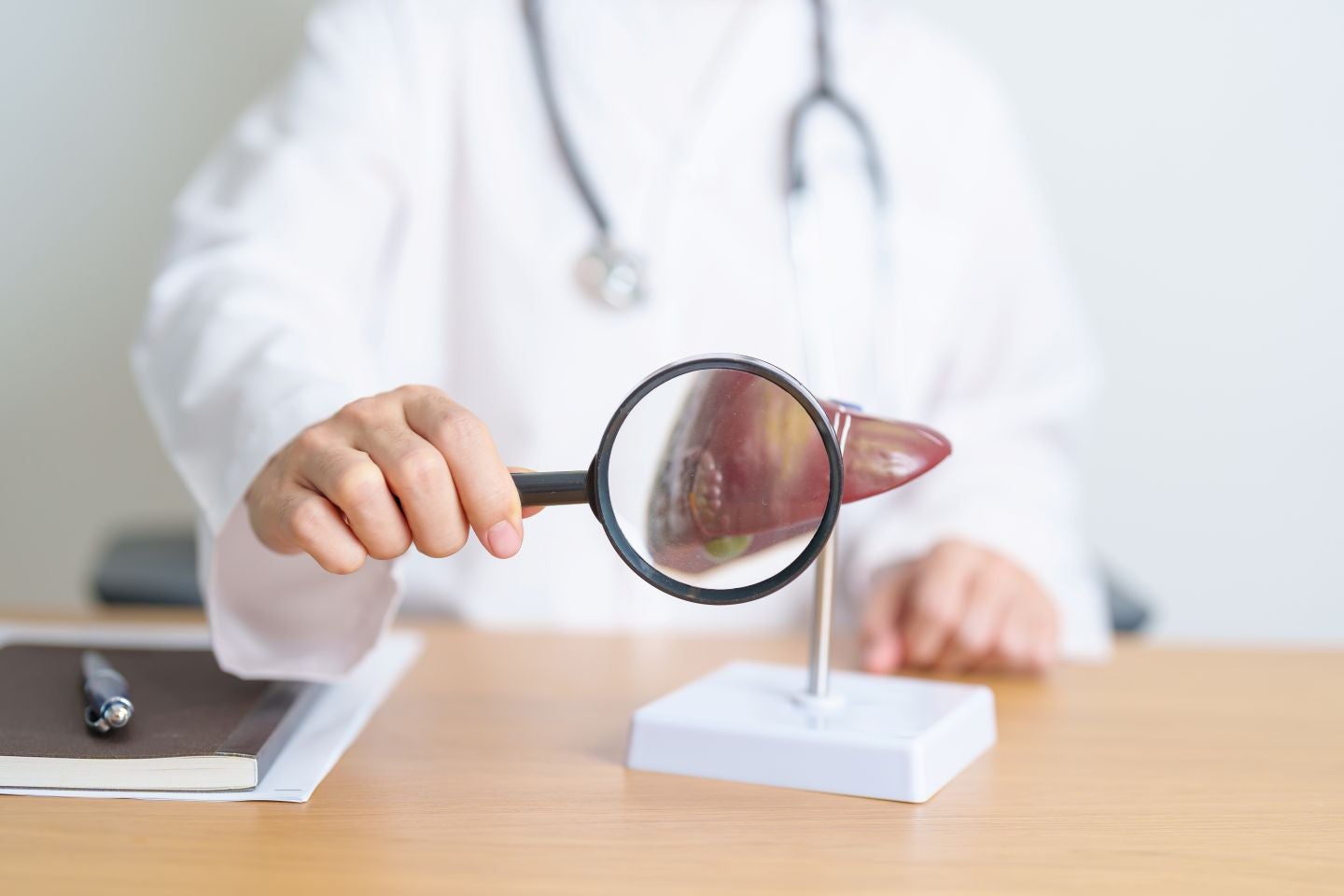
Heart disease is the leading cause of death in the United States, according to the American Heart Association. When the heart weakens, it can trigger a domino effect that damages the kidneys, liver and brain.
Heart-kidney connection poses particular risk
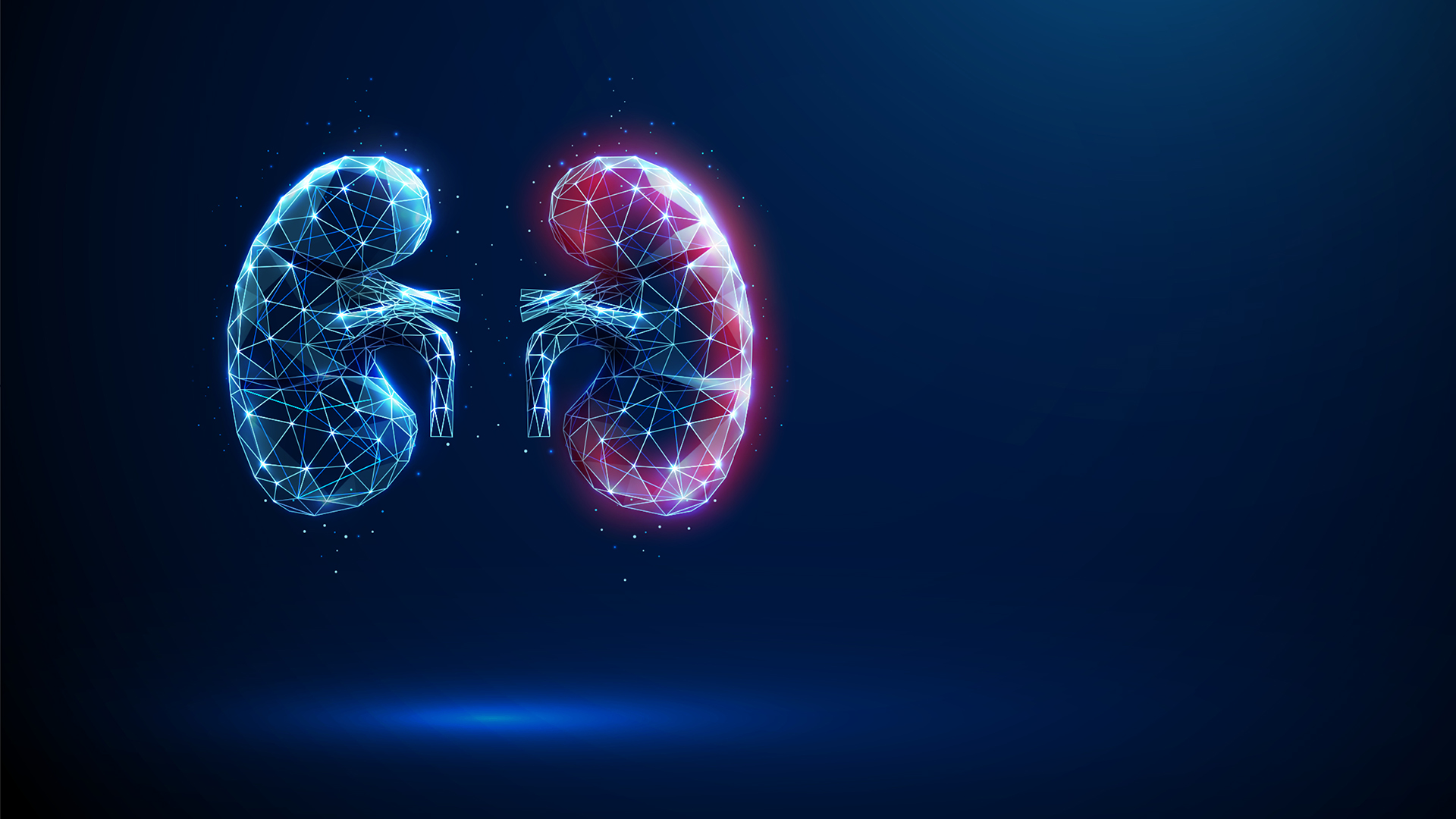
The connection between heart and kidney health is especially dangerous, doctors said. A struggling heart cannot pump blood efficiently, so kidneys don’t receive the oxygen they need and begin to fail.
Chelsey Kight, a nurse practitioner at HCA Healthcare Trident Hospital Heart Failure Clinic, said some heart medications can exacerbate damage to the kidneys.
“Some of the medications that we use for heart disease and heart failure are metabolized in the kidneys, which can further lead to some impairment,” Kight said. “That’s the importance of seeing your cardiologist and the heart failure clinic regularly. That way we can keep an eye on your lab work, make sure that your kidney function is stable and we don’t see any big shifts or changes.”
Patients often miss warning signs
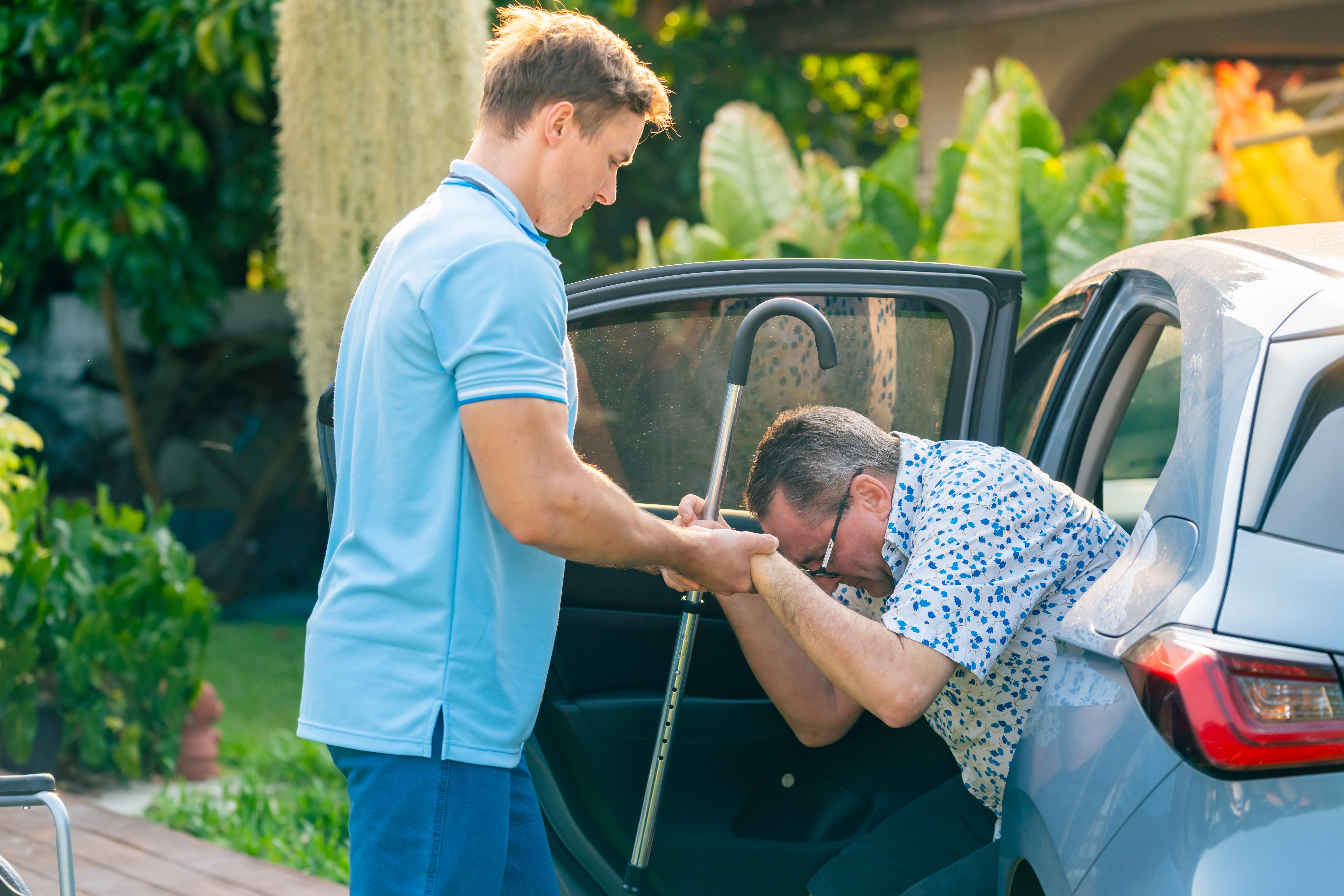
Medical professionals said many patients don’t understand their diagnosis, which means family members won’t know what questions to ask in an emergency.
Doctors said patients should review their lab results, understand how medications work and ask the right questions during medical visits.
“I think a good question for anyone to ask their primary care doctor in your yearly wellness visit is, ‘am I at risk for heart disease?’,” Kight said. “There are several yearly measures that your primary care goes through every year to make sure that all your screenings have been done appropriately.”
Prevention recommendations
Medical professionals recommend protecting heart health by cutting sodium, exercising 30 minutes daily and never skipping heart medication.
But the most important part is just starting to exercise, even if it is for only 5 minutes.
Doctors also advise patients to ask their cardiologist what their diagnosis means for other organs.
Anyone with a relative who has heart disease or who may themselves be at risk should make sure to ask their physicians the difficult questions. For overall heart health, medical experts recommend everyone knows CPR in case of emergency; additionally, knowing what a diagnosis means can help when calling 911.
Copyright 2026 WCSC. All rights reserved.
link