Hackensack Meridian JSUMC to offer noninvasive ultrasound treatment for liver tumors


Patients with liver cancer or cancers that have spread to the liver will soon have an emerging, noninvasive option available at Hackensack Meridian Jersey Shore University Medical Center (JSUMC).
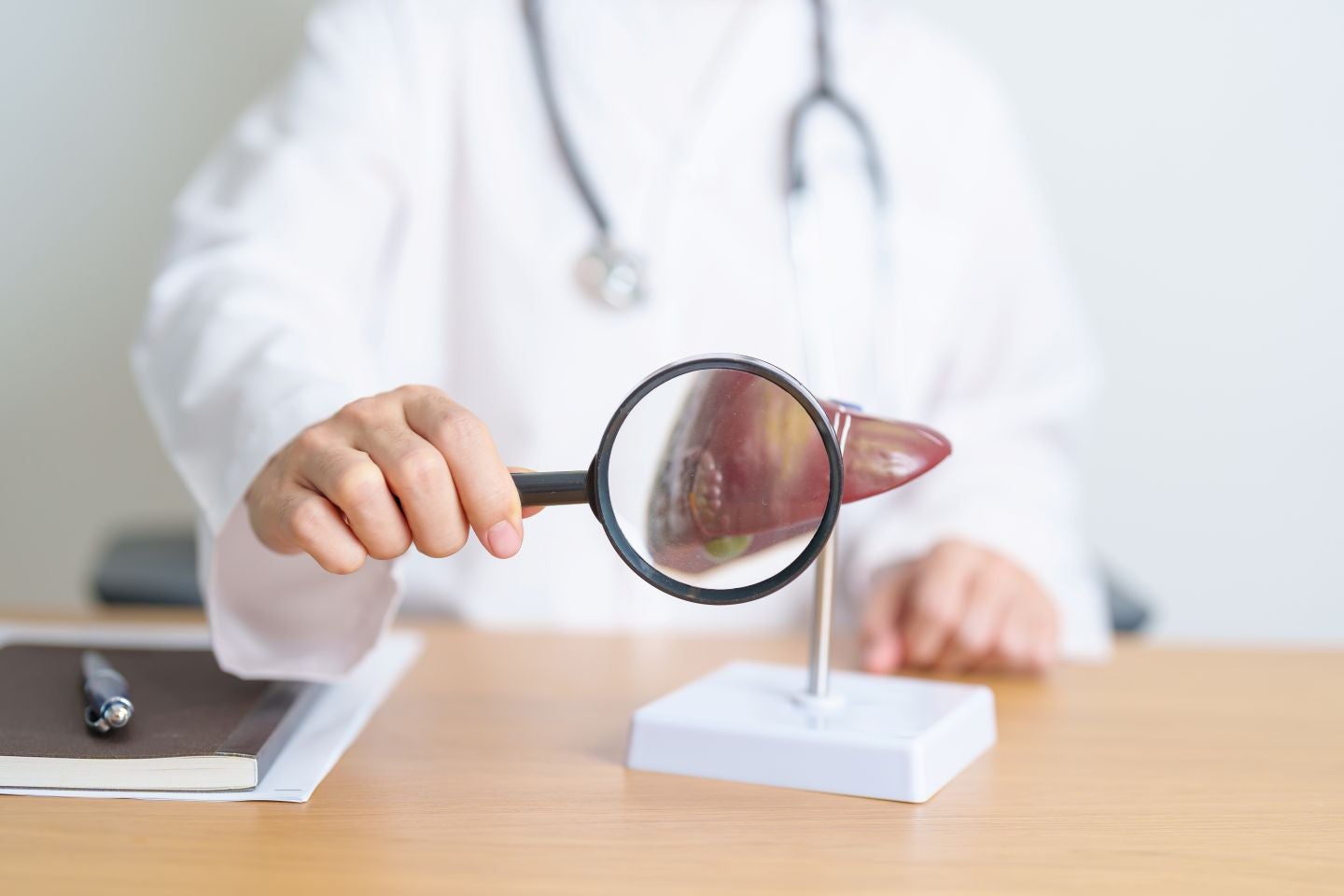
The hospital is among only three in the state — and the only one in Monmouth and Ocean counties — that will offer the approach known as histotripsy, beginning in February. This innovative technology uses focused ultrasound waves to mechanically destroy tumors and cancerous tissue, turning them into liquid that the body naturally reabsorbs.
“This is one of the most fascinating technologies I’ve seen in my career,” said Gregory Tiesi, M.D., FACS, FSSO, chief of surgical oncology at JSUMC. “Histotripsy uses a specialized device to focus ultrasound waves precisely on the targeted tumor, liquefying the tissue without damaging surrounding healthy structures.
“This precision allows us to preserve vital structures, without the risk of spreading cancer cells, and can be used in patients who might not otherwise have options like surgery.”
In addition to treating primary liver cancers, histotripsy can also address cancers (like colorectal) that have spread (metastasized) from other areas of the body to the liver.
“We feel it is imperative to diligently seek genuine innovative therapies to add to our treatment arsenal such that our patients can continue to fight and live longer with preserved quality of life,” said Tiesi, who is also medical director of hepatobiliary surgery at JSUMC.
“Histotripsy can be a viable option for patients across all stages. Even some benign liver tumors that can turn into cancers over time or even spontaneously rupture are eligible. For many, histotripsy can also be an ideal alternative to those that hope to avoid standard therapies, such as chemotherapy or surgery.”
Approved by the U.S. Food and Drug Administration in late 2023, histotripsy can be used as a first-line therapy, in combination with, or instead of other treatments, such as surgery, chemotherapy or radiation.
It can also be administered multiple times at different intervals, if needed. The procedure is performed under anesthesia in an outpatient setting and generally takes a little more than an hour, though the time may increase for multiple or larger tumors.
Patients typically are cleared to go home the same day.
Compared to other tumor-ablation methods, which require needle insertion to burn or freeze tumors to break them down, histotripsy is noninvasive, which helps eliminate the risk of thermal injury and minimizes side effects.
“Providing the most advanced cancer care to our communities is vital for a number of reasons,” said Vito Buccellato, MPA, LNHA, president and chief hospital executive, JSUMC.
“The addition of histotripsy reinforces our dedication to offering cutting-edge cancer treatments and, most importantly, keeps our residents close to home for their care.”
At JSUMC, all cancer cases are reviewed by a multidisciplinary tumor board of experts —including medical, radiation and surgical oncologists; pathologists; radiologists; nurses; social workers; and others — that assesses each patient’s case and determines an individualized approach to care, which could include histotripsy or other advanced treatments.
link