Histotripsy for liver cancer: positioning a new technology in multidisciplinary cancer care
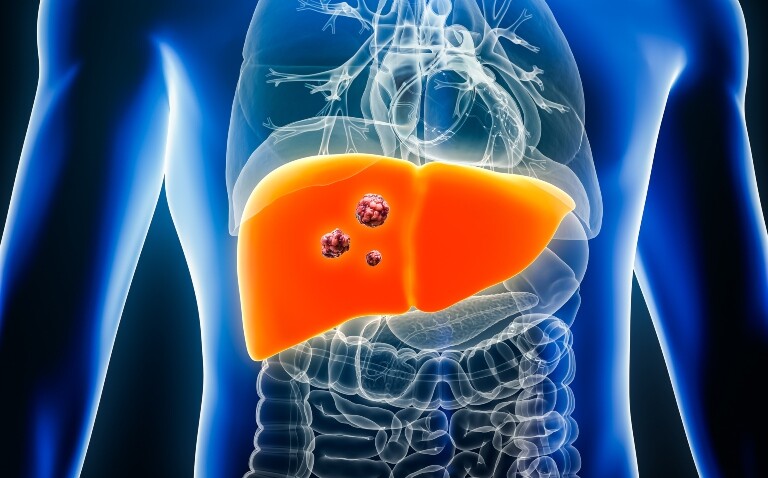
Dr Teik Choon See speaks to Gerry Hughes about the trajectory of histotripsy as a non-invasive option to treat liver cancer and how it works in practice, how it fits into the current treatment landscape and the impact this new technology is having on patient care.
In the summer of 2025, histotripsy was fast-tracked for use in the NHS as a novel, non-invasive approach to treating liver cancer. Months later, Addenbrooke’s Hospital, part of Cambridge University Hospitals NHS Foundation Trust, became the first centre in Europe to treat NHS patients with the technology outside a clinical trial under the direction of consultant interventional radiologist Dr Teik Choon See.
For clinicians watching closely, the milestone represents more than the introduction of a new device. It signals a shift in how non-invasive, image-guided therapies may be integrated into established liver cancer pathways.
Histotripsy was introduced into the NHS through the UK’s Innovative Devices Access Pathway (IDAP) pilot – an initiative designed to accelerate access to transformative medical technologies that address unmet clinical need.
Under the pilot, an Unmet Clinical Need Authorisation (UCNA) enabled the temporary use of non-UK conformity assessed or non-CE marked devices in the interest of public health. One of eight innovative medical devices included in the IDAP pilot, histotripsy was granted a UCNA.
Histotripsy in practice for liver cancer
‘Histotripsy represents a major and exciting step forward in cancer treatment,’ says Dr See, with the innovation lying in its precision, offering a safer option for carefully selected patients. At a conceptual level, histotripsy differs from existing interventional techniques due to it being ‘completely non-invasive, non-radiation and non-thermal’, he adds.
Relying on a mechanical process within tumour tissue, ‘it creates microbubbles from the air that already exists in the body, and those bubbles form and collapse repeatedly’, Dr See explains. These rapid cycles generate forces that act directly on tumour tissue causing cavitations, ‘disrupting the cancer cells and breaking them down into a lysate’. Over time, this lysate is then resorbed by the body.
During procedural planning, tumours are carefully defined, and treatment margins are built in. ‘We contour the tumour and then treat an additional margin to ensure surrounding cancer cells are also treated,’ Dr See says.
The system combines diagnostic ultrasound with a treatment head containing piezoelectric crystals that focus energy precisely where it is needed. Real-time imaging is central to this precision. ‘The tumour needs to be visible on ultrasound because the treatment head and diagnostic probe work together in real time,’ he explains.
Evidence and early clinical experience
Several minimally invasive locoregional therapies are already used to manage primary and secondary liver malignancies, including thermal ablation and transarterial techniques, either for curative treatment, as a bridge to transplant, local disease control or palliative treatment.
However, a non-invasive approach, such as histotripsy, has the potential to further improve safety and reduce treatment-related morbidity. It may also expand access to local tumour control for patients who are unsuitable for surgery or in whom recovery from invasive procedures could compromise subsequent systemic therapy.
Evidence supporting the early clinical use of histotripsy comes from the parallel US and European HOPE4LIVER studies, which evaluated the technology in a single arm, prospective, multicentre setting.
Conducted across 14 sites between 2021 and 2022, the studies treated up to three liver malignancies smaller than 3cm in each of the 44 participants. Findings showed that predefined safety and performance targets were met, supporting the case for early adoption in specific patient cohorts.
One-year follow-up from the HOPE4LIVER study suggests that histotripsy can achieve local tumour control comparable with existing locoregional therapies, with a favourable safety profile in patients who were ineligible for, or had declined, standard treatments.
However, interpretation is limited by a heterogeneous patient population, lack of a comparator arm, allowance for subsequent therapies, and a relatively short follow-up, highlighting the need for further comparative and longer-term studies.
Despite these advancements, Dr See is pragmatic about the evidence base. ‘The early trials showed feasibility and a good safety profile rather than a miracle cure,’ he says. ‘There is currently no randomised controlled trial comparing histotripsy with ablation or surgery.’ For clinicians, this means histotripsy should be viewed as an emerging treatment option.
Patient selection and clinical feasibility of histotripsy
‘At present in the UK, [histotripsy] is approved for primary and secondary liver cancer,’ Dr See notes, such as hepatocellular carcinoma and cholangiocarcinoma, as well as liver metastases from other primary sites.
A reliance on ultrasound brings both strengths and limitations, shaping patient selection and feasibility. And visibility is a key constraint. ‘We can see some tumours very well on CT or MRI, but they may not be visible using ultrasound,’ he says.
Background liver disease also matters. ‘In cirrhotic livers it can sometimes be difficult to distinguish tumour from background liver, so correlation with CT or MRI is essential,’ Dr See adds.
These practical considerations mean histotripsy is not a universal option, but rather one that must be carefully matched to tumour characteristics and imaging feasibility. Additionally, histotripsy is not currently positioned as a replacement for established treatments. ‘If a patient is suitable for surgery or ablation, those also remain very well-established options,’ Dr See says.
Where histotripsy begins to add distinct value is in anatomically challenging cases, for example where ablation risks injury to bile ducts or major vessels. Unlike thermal techniques, the absence of heat reduces the risk of strictures or vascular damage. This makes the technology particularly attractive for centrally located tumours or lesions close to critical structures.
Certain patient groups will be particularly suitable for histotripsy. ‘For patients awaiting transplant, histotripsy may be an alternative to control tumour growth without risking complications like needle-tract seeding,’ says Dr See. In this context, histotripsy may act as a bridging therapy, helping patients remain within transplant criteria during uncertain waiting periods.
Tumour size also shapes intent. ‘Tumour location and size are key, with three centimetres currently the upper limit for single procedures,’ he says. Larger lesions may still be treated in multiple sessions.
From focal therapy to immune activation
One of the more intriguing areas of discussion is histotripsy’s potential systemic effects – those beyond local cancer treatment. ‘This is the abscopal effect, essentially activating an anti-cancer immune response,’ Dr See explains, describing cases where untreated lesions have reduced or disappeared after histotripsy.
The abscopal effect refers to tumour regression at sites distant from the area directly treated, following localised therapy. Experimental and early clinical data indicate that this phenomenon is likely mediated by immune activation triggered by tumour antigen release, and emerging experience suggests that histotripsy may be associated with a higher incidence of such immune-mediated effects than some other liver-directed treatments.
‘This opens the possibility of combining histotripsy with immunotherapy or chemotherapy,’ says Dr See, but he cautions: ‘We do not know at this stage exactly when to combine them, whether it really is that effective or what group of cancers will be best to target. But there is a potential for that.’
Delivering histotripsy as a multidisciplinary service
Delivering histotripsy in practice depends on extensive multidisciplinary practices and Dr See says it requires close collaboration between radiology, hepatology, oncology, surgery, anaesthetics, medical physics and specialist nurses.
The procedure itself introduces new operational considerations, particularly as it is currently done under general anaesthetic. ‘The reason for that is that we are trying to focus the ultrasound into, say two- or three-centimetre tumours, and we need the patient to be static,’ he says. ‘When they move or when there is significant variation in respiration, the ultrasound can’t focus sufficiently.’
Anaesthetic expertise is therefore critical, as De See further explains: ‘It’s not just about putting the patient to sleep, it’s about trying to maintain the breathing to be a bit shallow. There are two techniques for that, one is called the double lumen ventilation, and the other approach is jet ventilation.’ While technically demanding, he advises that this is an important thing for clinical teams to consider.
Dr See points out that the histotripsy procedure may cause some discomfort to the patients, but recovery appears favourable. ‘Some patients experience pressure sensation around the treatment area. But mostly patients have less pain than with ablation,’ Dr See says, and observation periods are also typically short. ‘Depending on the case, many cases patients can go home the same day once they recover from anaesthesia,’ he adds.
Lessons learned and messages for clinicians
Looking back, Dr See is unequivocal about the decision to adopt the histotripsy technology for liver cancer. ‘I would definitely do this again – it is an amazing non-invasive technology,’ he says. The greater challenge now lies in refinement rather than feasibility and identifying which patient groups benefit most.
Dr See says that interest in histotripsy is growing, and he has received many queries recently about the technology. He also notes how research on histotripsy is extending beyond the liver, including trials in kidney, pancreas and prostate disease.
‘Scaling up will depend on investment and national coordination,’ says Dr See, alongside further data collection and evaluation.
Asked to distil his experience into practical advice for clinicians, Dr See highlights three key considerations.
First is awareness: ‘Clinicians should consider histotripsy as a potential option, even though we are still learning where it fits best.’
Second is research: ‘There is potential for a combination approach combining histotripsy with other treatments and I think this should be a focus for clinical research.’
And finally, pragmatism: ‘We have to be realistic, histotripsy has its place for certain patients but may not be suitable for everyone, particularly in very advanced disease,’ Dr See concludes.
link