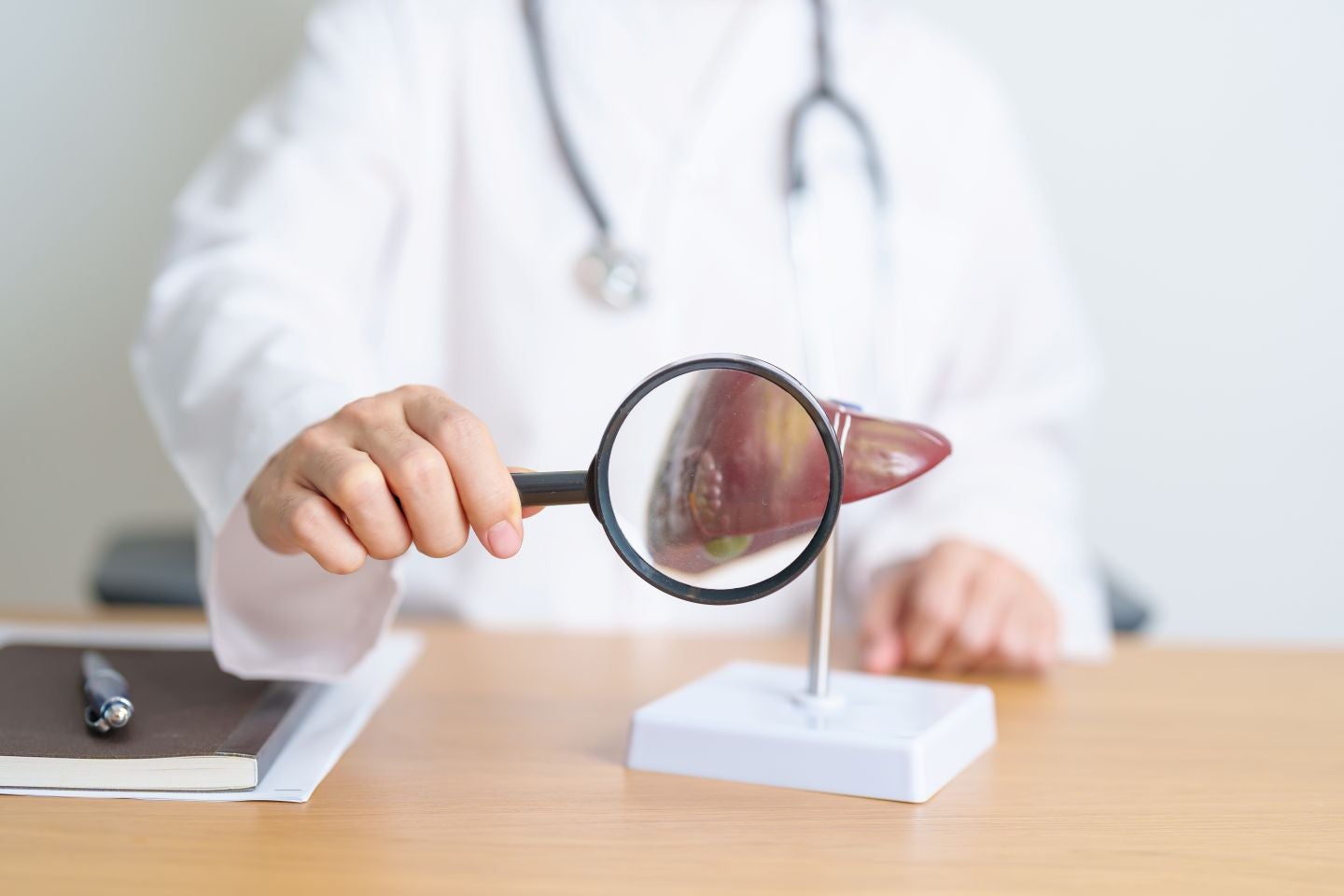
UNAM Introduces Liver-on-a-Chip, a Drug Testing Breakthrough

Researchers at the Universidad Nacional Autónoma de México (UNAM) have developed the first functional “liver-on-a-chip” in Latin America, a miniature device designed to replicate key liver functions and evaluate drug responses. The innovation aims to provide Mexican laboratories with a platform comparable to those used internationally, while offering a cost-effective alternative to animal testing for early-stage pharmaceutical research.
“The objective is to achieve a level of functionality comparable to what international pharmaceutical companies use, but with a protocol accessible to any laboratory,” says Genaro Vázquez, Professor, UNAM’s Department of Physics, and Head, Laboratory of Mechanobiology. The project involved a multidisciplinary team over three years and was recently published in Advanced Healthcare Materials.
The liver-on-a-chip uses microfluidic technology and polydimethylsiloxane (PDMS) to recreate the liver’s microenvironment, including bile production, enzymatic metabolism, and cellular organization. PDMS allows researchers to replicate small-scale structures, apply mechanical stimuli, and maintain laminar fluid flow, essential for mimicking physiological conditions. Each device is fabricated through a precise computer-modeled design, ensuring that cell cultures experience conditions similar to those in human organs. “When we first tried cultivating cells here, they would detach or die within a day,” says Vázquez. “With our protocols, they now remain functional for several weeks, allowing longer-term studies that were previously impossible in our laboratories.”
The liver-on-a-chip is especially relevant to pharmaceutical research. The liver is the primary organ responsible for metabolizing drugs, making it critical to assess biochemical processing before compounds are tested in other organs or clinical trials. By replicating human liver physiology in vitro, researchers can evaluate drug toxicity, metabolism, and potential side effects earlier in the development process. This capability aligns with emerging regulatory expectations: by 2030, the US Food and Drug Administration plans to reduce reliance on animal testing in favor of “new approach methodologies.”
In addition to its role in drug testing, the UNAM project exemplifies broader trends in healthcare that emphasize distributed and continuous care over episodic, hospital-centered treatment. David Potes, Director of Sales and Business Development, TCA Software Solutions, says that traditional healthcare systems often focus on individual events, such as diagnoses or procedures. “Distributed care means the relationship does not end at discharge,” says Potes. “It continues through structured pathways: post-op check-ins, chronic care plans, medication adherence prompts, remote monitoring where it adds value, quick virtual touchpoints, care navigation, and escalation protocols when risk increases.” Integrating laboratory innovation, such as organ-on-chip platforms, with data-driven distributed care models could help healthcare organizations design treatments that are both precise and patient-centered.
The liver-on-a-chip is also part of Mexico’s broader strategy to integrate scientific advances into public health. The National Medical Care Protocols (PRONAM), for example, aim to standardize treatment for common conditions like diabetes, hypertension, obesity, and chronic kidney disease across urban and rural areas, says David Kershenobich, Minister of Health. “Research will only deliver its full value if it improves the lives of the wider population,” Kershenobich says, noting that genomic medicine, AI-assisted diagnostics, and RNA-based therapeutics are increasingly accessible and must be applied equitably. The chip’s potential to test pharmacological responses efficiently complements PRONAM’s goal of translating innovation into practical healthcare solutions.
Beyond drug testing, organ-on-chip platforms reflect a larger trend in biomedical research to model human physiology in vitro. Related studies on bioactive compounds, such as astaxanthin, demonstrate how laboratory models can inform preventive and therapeutic strategies. Clinical trials show that astaxanthin may reduce oxidative stress, improve skin and eye health, and support cognitive function, though larger trials are still needed to assess long-term benefits. Insights from both nutritional and pharmacological studies highlight the value of preclinical models that mimic human tissue responses accurately, which organ-on-chip devices can provide.
UNAM researchers are already expanding the scope of their work. Collaborations are underway to develop “lung-on-a-chip” systems with the National Institute of Respiratory Diseases (INER) and “kidney-on-a-chip” devices with the National Institute of Medical Sciences and Nutrition Salvador Zubirán (INCMNSZ). The goal is to create a suite of organ-specific platforms capable of simulating disease processes, supporting drug development, and providing mechanistic insights into chronic conditions such as fatty liver disease, diabetes, and hypertension. “We aim to replicate organ functions with sufficient accuracy so that laboratories across Mexico can perform meaningful tests without the need for costly external facilities,” says Vázquez.
The initiative also represents a strategic step in reducing technological gaps in Mexico’s biomedical research. Supported by the Ministry of Science, Humanities, Technology, and Innovation (SECIHTI), the project included postdoctoral and Fulbright fellowships for key team members, demonstrating the government’s commitment to frontier scientific research. By making organ-on-chip technology accessible to national laboratories, the project aims to democratize biomedical innovation and strengthen the country’s capacity for high-level research and drug testing.
These advances have broader implications for chronic disease management. With Mexico facing rising rates of obesity, diabetes, and hypertension, laboratory models that simulate human metabolism can accelerate testing of therapies tailored to these conditions. When combined with distributed care approaches, precision medicine, and genomic tools, organ-on-chip platforms have the potential to reshape treatment pathways and improve long-term patient outcomes.
Taken together, the liver-on-a-chip represents a milestone in Mexican biomedical science: a locally developed platform that combines cutting-edge microfluidics, mechanobiology, and translational research. By linking laboratory innovation with public health strategies and modern care models, UNAM researchers are helping position Mexico at the forefront of applied biomedical science, providing tools that could transform drug development, disease research, and patient care.
link