


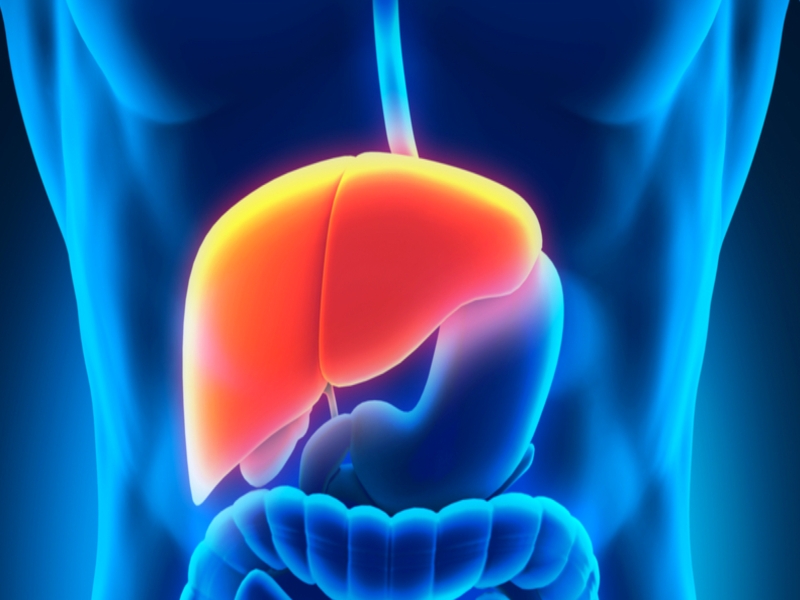
Imagine the daily routine of an IT professional or corporate employee living in a city like Mumbai. The day begins with a rushed commute on a crowded local train, followed by nine to ten continuous hours of sitting at a desk. This is accompanied by endless emails, strict deadlines, and constant work pressure, before returning home late at night for dinner. This lifestyle has become common in most middle-class households today. Many people believe, “I don’t drink alcohol, so my body must be healthy.” However, medical experts caution that this assumption is misleading. In urban India, fatty liver disease is spreading silently, affecting even non-drinkers due to metabolic dysfunction and prolonged sedentary habits.
Fit Outside, Unfit Inside: The Rising Threat of ‘Lean NASH’
There is a widespread belief that only overweight individuals suffer from fatty liver disease. However, a condition known as ‘Lean NASH’ is increasingly common among Indians. In this case, a person appears slim, has a normal Body Mass Index, yet fat accumulates around the liver. According to health experts and doctors, genetic predisposition and higher insulin resistance among Indians make even lean individuals vulnerable. Long hours of sitting at work prevent calorie burn, causing excess energy to convert into triglycerides that settle in the liver. Believing “I am not overweight, so I am safe” can be dangerous. Experts stress that even physically fit-looking corporate employees should undergo regular health screenings.
Work Stress and Liver Damage Go Hand in Hand
Corporate life is dominated by deadlines and performance targets, creating constant pressure. This stress affects not only mental health but physical well-being too. As per medical advice from doctors, chronic stress increases cortisol levels, which raises blood sugar and reduces insulin efficiency, accelerating fat buildup in the liver. Poor sleep, late nights, and emotional eating—often involving junk food—further harm liver health. Over time, these habits create a toxic cycle. In simple terms, the pressure experienced at the workplace does not just burden the mind; it silently injures the liver as well, a fact that most people overlook until the damage becomes severe.
The Silent Killer’s Journey: From Fatty Liver to Cancer
Fatty liver disease progresses quietly and is often called a “silent killer.” In its earliest stage, only mild fat accumulation occurs, known as simple steatosis. Medical experts caution that without timely lifestyle changes, this can progress to NASH, where liver inflammation and cell damage begin. The disease may then advance to fibrosis and cirrhosis, leading to permanent liver failure. In some cases, it even develops into liver cancer. Alarmingly, routine blood tests may remain normal until advanced stages. Hence, specialists advise not relying solely on blood reports and recommend imaging tests like sonography or FibroScan for accurate assessment.
Not Just Fatigue, But a Warning Signal
Do you feel exhausted throughout the day or struggle to focus at work? Such symptoms are often ignored as work pressure or lack of sleep. However, medical advice by health experts and doctors highlights that persistent fatigue and mild discomfort on the right side of the abdomen, below the ribs, can be early signs of fatty liver. As the condition worsens, symptoms like yellowing of the eyes, abdominal swelling, or skin itching may appear. Waiting until this stage can be life-threatening. Individuals with diabetes or high blood pressure face double the risk. Therefore, common symptoms like tiredness should not be dismissed without evaluating liver health.
Lifestyle Changes Can Reverse the Disease
The most encouraging aspect of fatty liver disease is that it is reversible in its early stages. Experts emphasize that disciplined lifestyle changes are more effective than expensive medicines. Losing just 5–10 percent of body weight can significantly reduce liver fat and inflammation. Simple habits such as walking for five minutes every hour at work, choosing stairs over elevators, and avoiding processed foods can make a big difference. Reducing sugar intake and increasing leafy vegetables rejuvenate liver function. Yoga, stress management, and adequate sleep further support natural liver recovery. Ultimately, health lies in our own hands—with awareness being the key.
Disclaimer: This article is for general informational purposes only and does not substitute professional medical advice, diagnosis, or treatment. Always consult a qualified healthcare provider for personalized guidance. Responsibility for the accuracy or outcomes of this information does not lie with Lokmat Times.
Open in app
link