


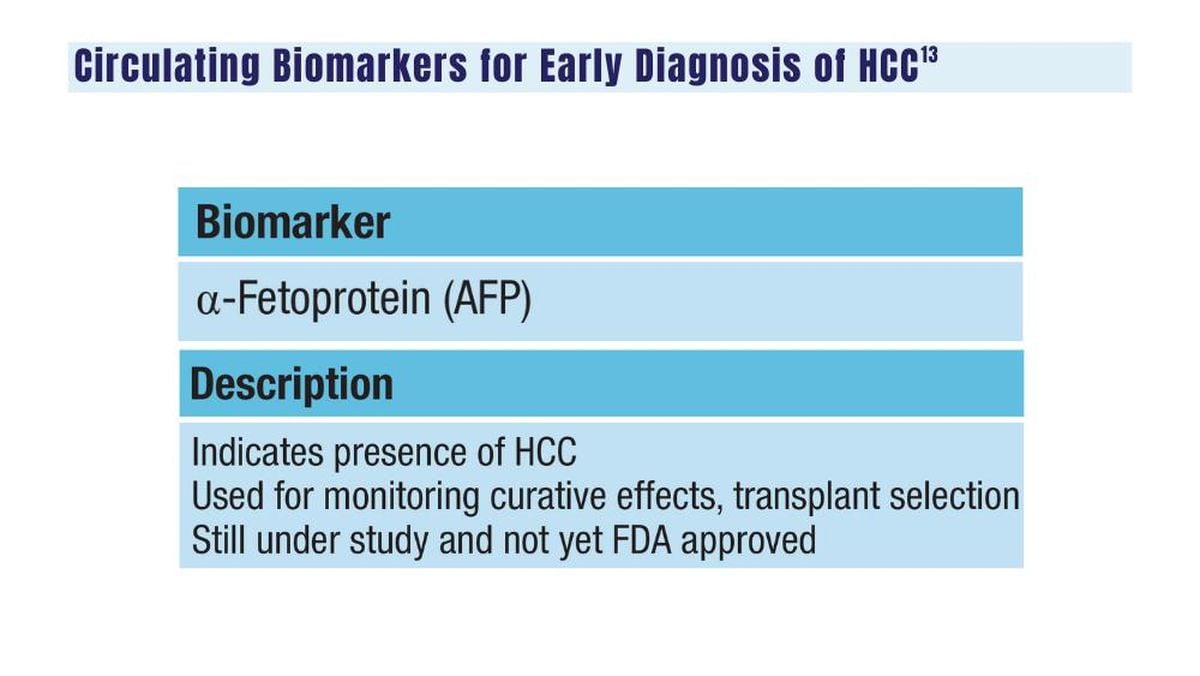
The development of personalized treatment strategies for hepatocellular carcinoma (HCC) has taken a significant step forward with the identification of specific biomarkers linked to the disease. A recent study highlights the role of BRD4, a member of the BET family proteins, which interacts with various genes to influence cancer progression. This groundbreaking research has successfully developed a four-gene prognostic model comprised of EZH2, KIF20A, G6PD, and KIF2C, significantly improving the predictive capabilities for HCC outcomes and paving the way for optimized therapeutic strategies.
HCC is renowned as one of the leading causes of cancer-related mortality globally. Its aggressive nature, coupled with late-stage diagnosis, often limits treatment options and results in dismal survival rates. To combat these challenges, researchers have turned their attention to BRD4, which has previously demonstrated elevated expression levels within HCC tissues. The current study sought to analyze the broader network of BRD4-interacting genes to understand their collective impact on HCC.
Using RNA sequencing data from The Cancer Genome Atlas (TCGA) and novel bioinformatics approaches, researchers identified over 3,259 differentially expressed genes linked to HCC development. By refining their search to focus on BRD4-interacting genes, they identified 46 key genes directly associated with disease progression. From this refined list, the study developed the aforementioned prognostic model, using the LASSO algorithm to evaluate the correlation of these genes with patient outcomes.
“Elevated levels of these genes are associated with unfavorable prognosis, indicating potential roles they play in tumor progression,” the researchers noted. The model demonstrated strong predictive power when validated against clinical data, allowing for stratification of patients based on their risk profiles. This enables healthcare providers to identify high-risk HCC patients before the onset of severe disease, thereby enhancing early diagnosis and intervention options.
One of the remarkable findings of this research is the identification of significant immunological differences between risk groups associated with BRD4-related genes. The analysis revealed correlations between these genes and immune cell infiltrates, hinting at their role in tumor immune evasion—a phenomenon frequently observed in advanced cancers. Such insights are invaluable for tailoring immunotherapy strategies aimed at combating HCC.
The researchers also delved deep to investigate potential treatment strategies, finding promising results from combining inhibitors specific to BRD4 and EZH2. Data garnered from experimental validation indicated the combined use of BRD4 inhibitor ZBC260 and EZH2 inhibitor CPI-169 showed significant synergistic effects, enhancing apoptosis within HCC cells. They succinctly stated: “The combinatorial use of BRD4 inhibitor ZBC260 and EZH2 inhibitor CPI-169 demonstrates significant synergistic effects.” This presents compelling evidence for developing multifaceted therapeutic approaches targeting multiple pathways engaged by HCC.
With the advancements made through this study, there lies clear potential for clinical application. The prognostic model and insights on drug sensitivity serve as pivotal steps forward, offering clinicians the tools necessary to refine treatment modalities and improve overall patients’ prognosis. The study illuminates the importance of addressing drug resistance through combination therapies, enriching the therapeutic arsenal against HCC.
The road to improved outcomes for HCC patients is laden with challenges; nevertheless, this research provides hope through innovative biomarker identification and treatment strategies. Detailed follow-up studies will be necessary to validate the four-gene prognostic model across diverse patient populations and expand its clinical applicability. These advancements draw attention to the complex interplay between cancer genetics and treatment responses, underscoring the need for personalized medicine approaches for patients facing HCC.
link