


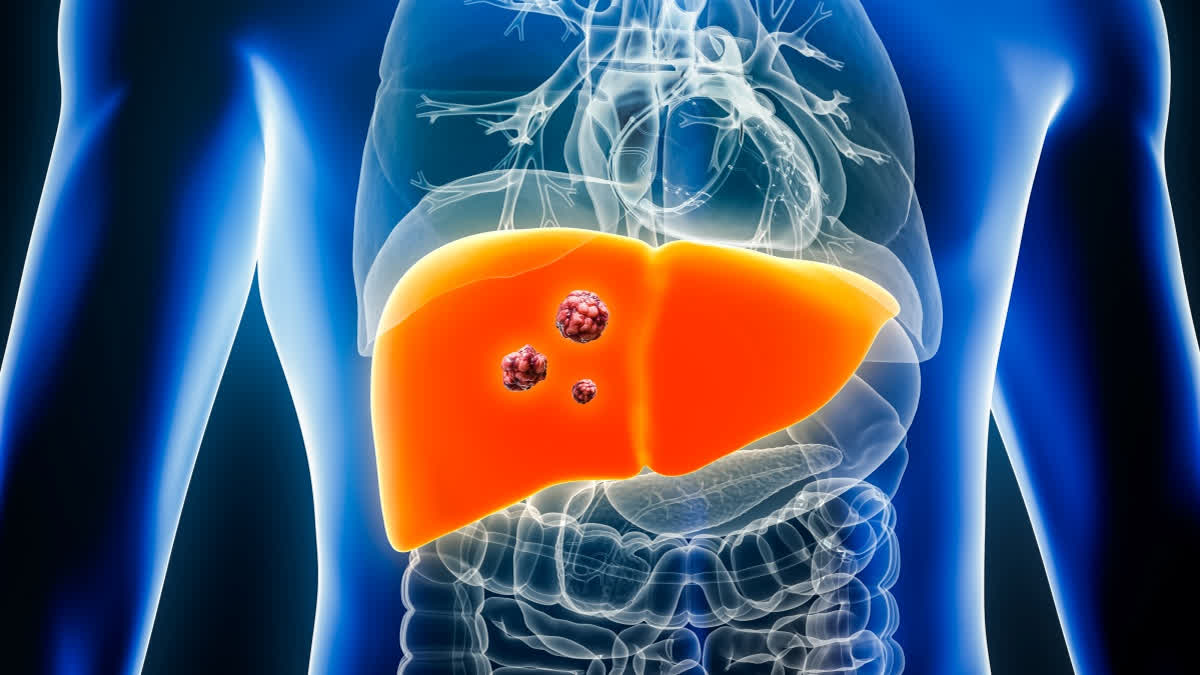
A new global report by The Lancet Commission warns that if we do not act decisively, liver cancer (especially its most prevalent form, hepatocellular carcinoma) will claim millions of lives by 2050. Liver cancer is already the sixth most common cancer worldwide, but it is the third leading cause of cancer death.
A Preventable Tragedy
The remarkable fact is that at least 60% of liver cancer cases could be prevented. The causes are no mystery: chronic hepatitis B and C infections, alcohol abuse, and increasingly, diet-related metabolic diseases. These are products not only of viruses and molecules, but of human behaviour, governance, and even global trade. The rise in alcohol consumption is tied to powerful marketing industries; the spread of hepatitis has roots in health inequities and uneven access to vaccines.
We have the knowledge and the tools to reduce new cases by at least 2% each year. If we succeed, we could prevent up to 17 million new cases and save as many as 15 million lives over the next quarter century. But the question is: Will we?
Ten Recommendations By Lancet
The Lancet Commission’s blueprint is not just a set of medical instructions but also has guidelines for coordinated global governance. They urge governments to mandate hepatitis B vaccinations in high-prevalence countries, launch universal hepatitis B screening for all adults, and target hepatitis C screening where it is most cost-effective.
They call for stricter alcohol regulations (minimum unit pricing, warning labels, and advertising restrictions), policies certain to face resistance from powerful economic lobbies. They advocate public awareness campaigns, early detection programs, and palliative care training for healthcare providers. And crucially, they demand that the gap between Eastern and Western treatment outcomes be narrowed through professional collaboration and equal access to new therapies.
Liver cancer is more a symptom of the way humans live now: how we produce food and alcohol, how we manage infectious diseases, how wealth and healthcare are distributed across the planet. A person in rural Africa drinking untested well water faces different but related risks to a middle-aged office worker in a wealthy country whose liver is damaged by years of processed food and sedentary living. The challenge, then, is not only to treat tumours, but also to rewrite the conditions that give birth to them. This requires what the report calls “multi-stakeholder involvement”: an alliance of scientists, policymakers, healthcare workers, businesses, and ordinary citizens.
The Choice Before Us
We humans are unique in that we can imagine the future and act to change it. If we act, millions of deaths can be avoided. If we do nothing, liver cancer will silently tighten its grip, and by 2050, history books might look back on our era and wonder why we ignored the warnings.
Our ancestors fought predators and plague with courage and ingenuity. Now we are called to fight an equally dangerous enemy. The battle against liver cancer is not only about saving lives; it is about proving, once again, that we can rise above the threats we create and the vulnerabilities we inherit.
Source:
Read more:
- Hepatitis Awareness Week 2025: Everything Pregnant Women Need To Know About This Liver Condition
- Indian Scientists Develop Easy And Low-Cost Method To Detect Liver Cancer Using A Paper-Based Sensor
- Dirty Hands Or Unclean Water Can Expose Your Child To This Infection That Harms The Liver And Causes Long-Term Damage
link